
Gardening tips and advice: April 2026
13 April 2026, by Abbie Jones, Landscape Gardener at Furzey Gardens
March was about listening to your garden, April is about beginning to respond.
There is a subtle but unmistakable shift now. Growth is no longer something we anticipate. It is happening, steadily and visibly. The garden feels more assured, but not yet settled. Warm days invite action, while cooler nights remind us to move with care.
April is a month of momentum, but also of judgement. Knowing when to act, and when to wait, becomes just as important as what we do.
April in your garden
Preparing and maintaining the ground
As one of the most active months in the gardening calendar, success in April lies in working with conditions, not against.
The soil, slowly warming now, begins to open. When it crumbles easily in the hand, it is ready to be worked. Where it clings and smears, it is asking for more time.
Use this window carefully:
- Lightly cultivate beds when conditions allow
- Add compost or well-rotted manure to improve soil structure
- Top up mulches to retain moisture and suppress weeds

Pink azalea flowers appearing across the garden
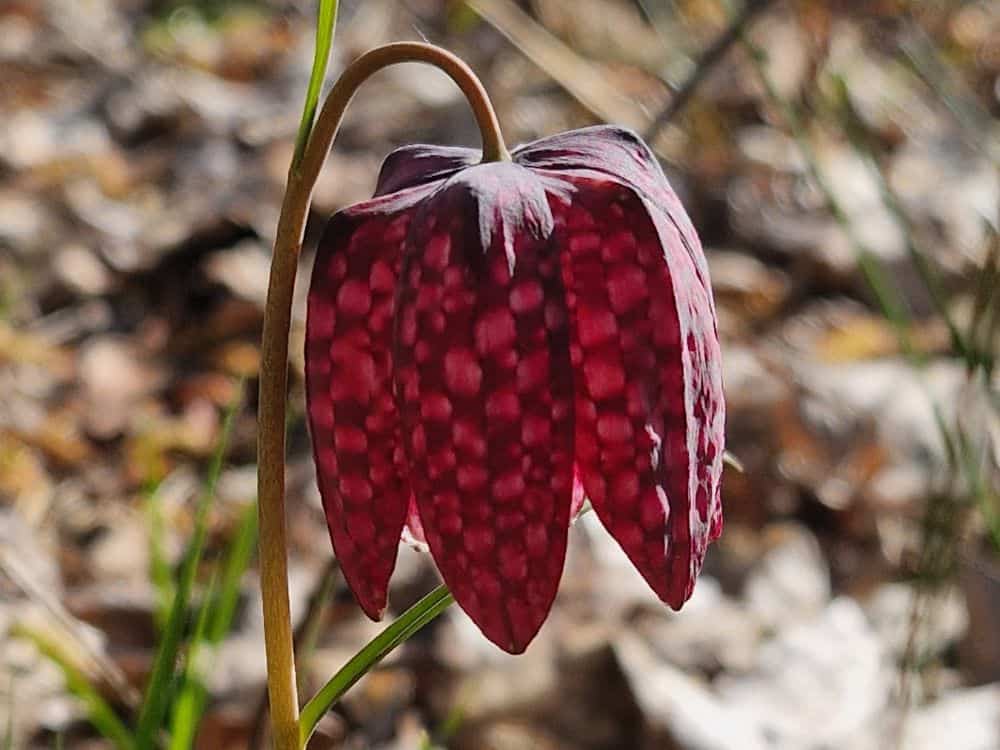
Snakes Head fritillary
Sowing for the season ahead
Sowing begins to expand this month. Hardy crops such as carrots, beetroot, spinach and lettuce can be sown directly outdoors, whilst tender plants are best kept under cover a little longer. Light levels now support strong growth, but space and airflow become increasingly important.
Weeding before they take hold
Weeds too begin reappearing with confidence. Removing them now, while roots are still shallow, is one of the simplest ways you can reduce work later in the season. April is not about doing everything at once. It is about recognising readiness – in the soil, in the weather, and in the plants themselves.
Guiding growth gently
As growth accelerates, small interventions begin to matter more. Roses benefit from feeding and mulching. Climbers should be tied in early, while stems are flexible and easy to guide. Spring bulbs can be deadheaded once flowering fades, but their foliage should be left to die back naturally, feeding next year’s display.
Evergreen shrubs can be lightly shaped after flowering if needed, while newly emerging shoots across the garden are worth keeping an eye on, this is when both growth and setbacks happen quickly. The focus now is not heavy work, but quiet guidance.

Azaleas blooming by lake in front of Acer

New growth of hosta
Stay one step ahead
With new growth comes new attention. Slugs and snails return to feed on tender shoots, aphids begin to appear, and the occasional late frost can still catch early growth of guard. Regular checking makes all the difference at this stage. Small problems are easily managed when noticed early.
Working alongside nature
Birds are actively nesting now, so hedges and dense shrubs are best left undisturbed. Feeding can continue while natural food sources build, and fresh water remains essential. Insects are returning, drawn to early flowers and warmer days. Leaving parts of the garden slightly undisturbed continues to provide valuable shelter as this activity increases. What grows here isn’t just for us.
Being mindful in your garden spaces
A gentle reminder that April is not just a month to work in the garden, it’s a month to also be in it. For many, stepping outside after winter can feel like effort. The pull to stay indoors may still be there, and the garden, however inviting, can feel like something that requires energy that we’re not quite ready to give.
April doesn’t ask for much. Even a few minutes outside can begin to shift things. If you commit to grounding yourself to the outdoors, you’ll notice that the air feels different now – softer, carrying the scent of damp soil, new growth, and the faint sweetness of early blossom. The sounds are still changing, birdsong becoming fuller, more constant.
There is also something quieter happening. Natural light is stronger now, and with it comes the simple, often overlooked benefit of vitamin D. The outdoors, even briefly, supports both physical health and mood, helping restore energy levels after the heaviness of winter. Step outside with a cup of tea. Walk slowly. Notice what has changed, or simply sit and let the garden move around you. Often, the hardest part is just opening the door.
Where colour builds gently
Here at Furzey, April brings layering of colour rather than a single moment of display. Magnolias have suspended to the ground now, falling to soften the ground beneath them. The attention now turns to our early azaleas and rhododendrons, as they begin to open, their colours building gently and promising more to come. Bulbs continue their succession – as we bid farewell to the daffodils, we welcome a new splash of colour through our bluebells. Hostas start pushing through with tight, sculptural forms, and ferns begin slowly unfurling.
Beds and borders are being prepared as conditions allow, our regular mowing routine has begun, early sowings are underway, and spring pruning has been helping our plants take shape.
The woodland floor continues its quiet transition – bulbs softening into foliage, shrubs stepping forward, and colour building layer by layer. For the people we support, this mirrors something just as important. Growth that once felt uncertain becomes visible. Confidence builds steadily, shaped through small, consistent actions. Tom, a supported gardener, says it perfectly “It rained for 47 days straight! Somewhere in Cornwall had 55 days of rain! I love spring because after a gloomy winter the spring colours are really aesthetically pleasing”
April carries energy, but it does not demand urgency. It invites us to step forward.
Prepare the soil when it is ready.
Sow with awareness, not habit.
Tackle weeds early.
Support growth as it emerges.
And, just as importantly, take time to step outside and experience it.
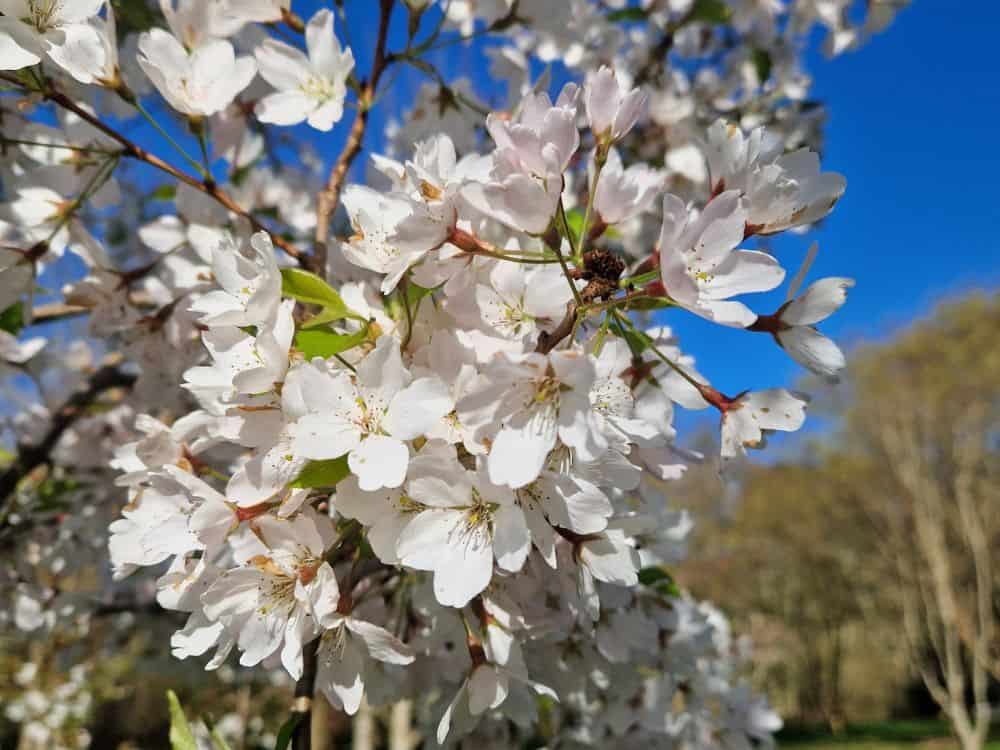
Prunus ‘Pink Shell’ blossom
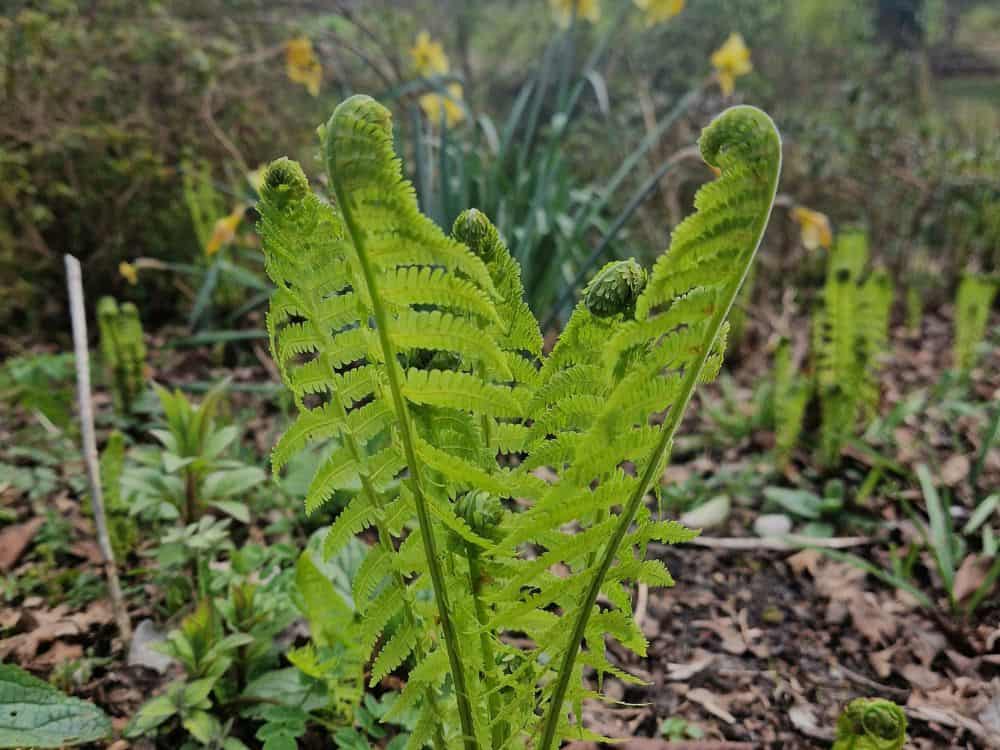
Ferns unfurling
What to see in April at Furzey Gardens
April at Furzey is a month where colour builds steadily, each area of the garden offering something new to discover. Azalea and Rhododendron buds are swelling and beginning to burst all around the gardens, this is the beginning of a truly vibrant and uplifting display.
Along the bottom path, don’t miss the impressive Rhododendron ‘Cynthia’, a large, established specimen now coming into flower, its bold deep pink colour making a real statement at this time of year. Elsewhere, the striking Judas tree (Cercis siliquastrum) is beginning to bloom, its vivid pink flowers appearing directly from bare branches, while Enkianthus perulatus adds a softer touch up on the top lawn with its delicate, bell-shaped flowers.
The cherry grove is another highlight, with young trees including Prunus ‘Pink Shell’ starting to blossom, an early glimpse of the colour and character this area will grow into.
Across the garden, fresh growth continues to emerge. Ferns slowly unfurl, hostas push through, and the landscape takes on that bright, fresh green that signals the season is fully underway.
Over the next few weeks colour will transform the garden. Colourful blooms, lush green foliage, a bounty of insects and birdsong across the gardens, it is one of the most exciting times at Furzey Gardens.
We are open seven days a week, 10am – 4pm throughout the spring and summer. Pre-booking online is essential on weekends and bank holidays. I hope to see you in the gardens soon.

Hundreds of rhododendron blooms starting to appear
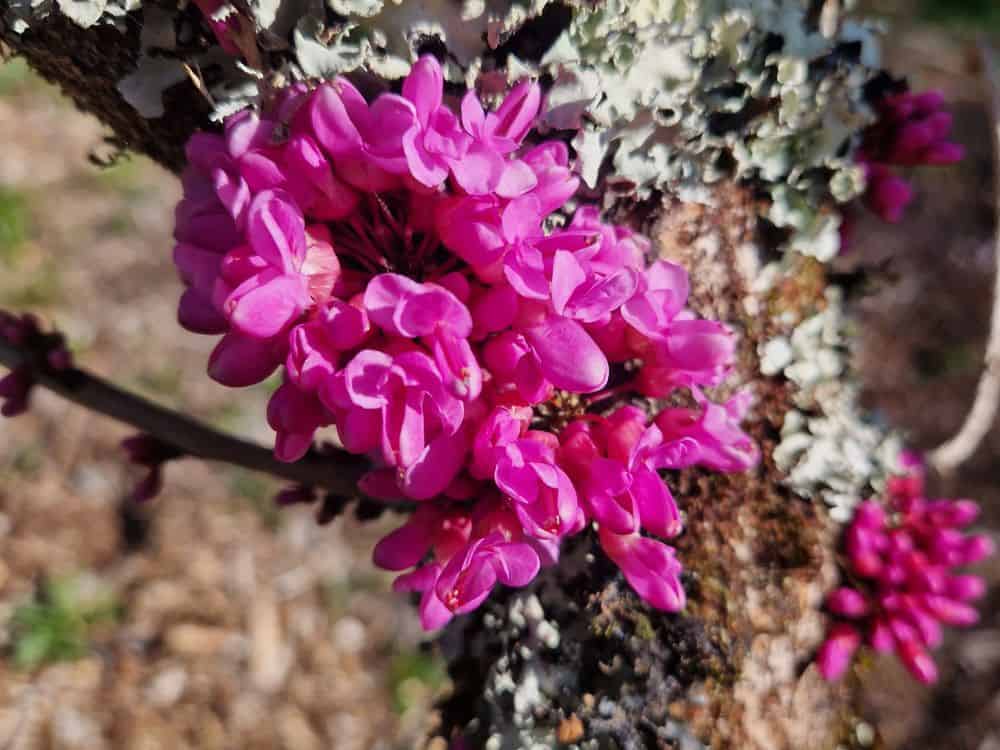
Flowers of Cercis siliquastrum, Judas tree
This article originally appeared as the monthly In The Garden column in the Lymington Times, buy the paper on the second Friday of every month to read the next column first.