
Gardening tips and advice: January 2026
9 January 2026, by Abbie Jones, Landscape Gardener at Furzey Gardens
The turn of the year brings with it a quieter rhythm in the garden. Crisp air, shorter days and pale winter light invite us to slow down, to reflect on the season just passed, and to prepare for the one ahead. While Furzey Gardens remains closed throughout January, the garden itself is far from still. Behind the scenes, there is thoughtful, purposeful work underway - the kind that nurtures longevity rather than immediacy.
January in your garden: Making the most of the pause
At home, January is one of the most valuable months in the gardening calendar. Growth may be slow, but this is when thoughtful decisions can have lasting impact. Rather than rushing ahead, this is a time to observe, plan and lay strong foundations.

Frost covered leaves of azalea plant

Frosty views on the lake
Plan and review
January offers space for reflection. Take time to look back over last year’s garden – what flourished, what struggled, and where small changes might make a meaningful difference. With a warm drink and a notebook, you can begin shaping ideas for the seasons ahead. Whether it’s reworking a border, refining planting combinations or planning crop rotations, this quieter month allows intentions to form before spring arrives in earnest.
Prune with purpose
With many plants fully dormant, January is ideal for careful, considered pruning. Fruit trees, deciduous shrubs and hedges all benefit from attention now, helping to improve structure and encourage healthy growth.
Wisteria responds particularly well to a winter prune. Cut back the previous summer’s long growth to two or three buds from the main framework, removing any weak or unwanted stems altogether. This focuses the plant’s energy into flower production rather than excessive leafy growth.
Apple and pear trees are also easier to assess at this time. Begin by removing the “three Ds” – dead, diseased and damaged wood first, then work toward an open, goblet-shaped structure that allows light and air into the centre. Strong vertical water shoots can be removed, and if significant reduction is needed, it’s best done gradually over several winters. Removing no more than around 25% of the canopy each year helps avoid stress to the tree.
Roses can be lightly tidied too, particularly bush and climbing varieties. Remove dead or weak stems and cut back to outward-facing buds to encourage an open shape. Heavier pruning can wait until late February, but this early work helps establish a strong framework.
For deciduous shrubs, winter thinning is often preferable to hard shaping. Removing a few older stems at the base encourages vigour and maintains a natural form. If a shrub has outgrown its space, reduce it slowly over successive winters rather than all at once. As always, if birds are nesting, pause and return later.
Mulch, compost and soil care
If the ground isn’t frozen, spreading organic mulch over borders helps protect roots, suppress weeds and improve soil structure. Turning compost heaps now, or starting a new one, ensures a supply of rich material ready to nourish the garden later in the year.
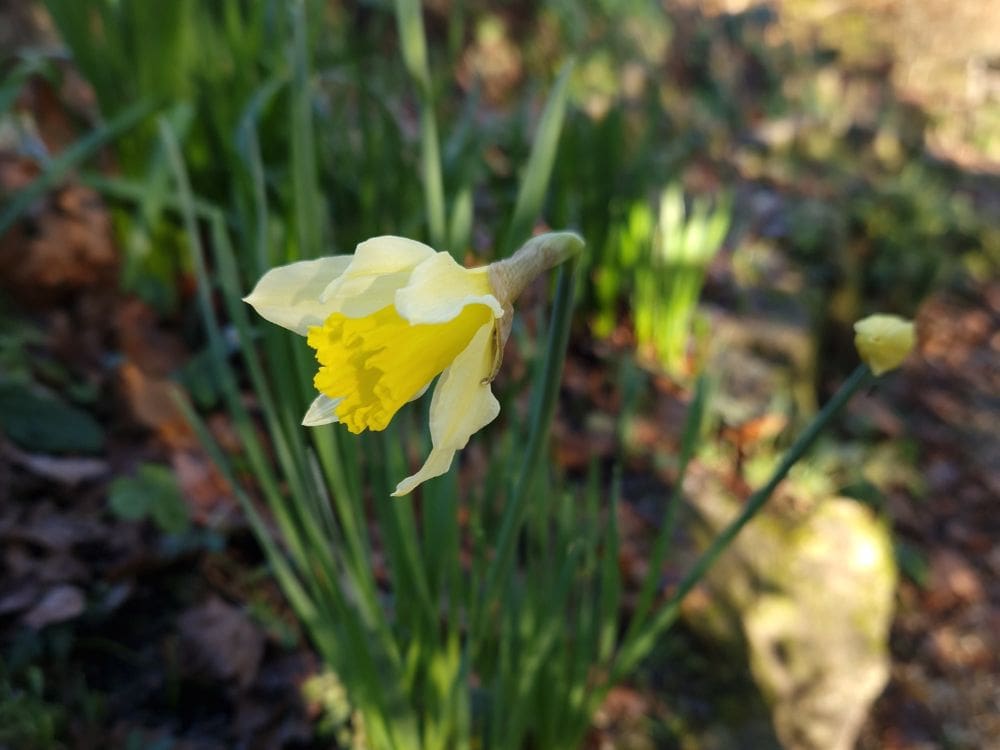
Early daffodils appearing
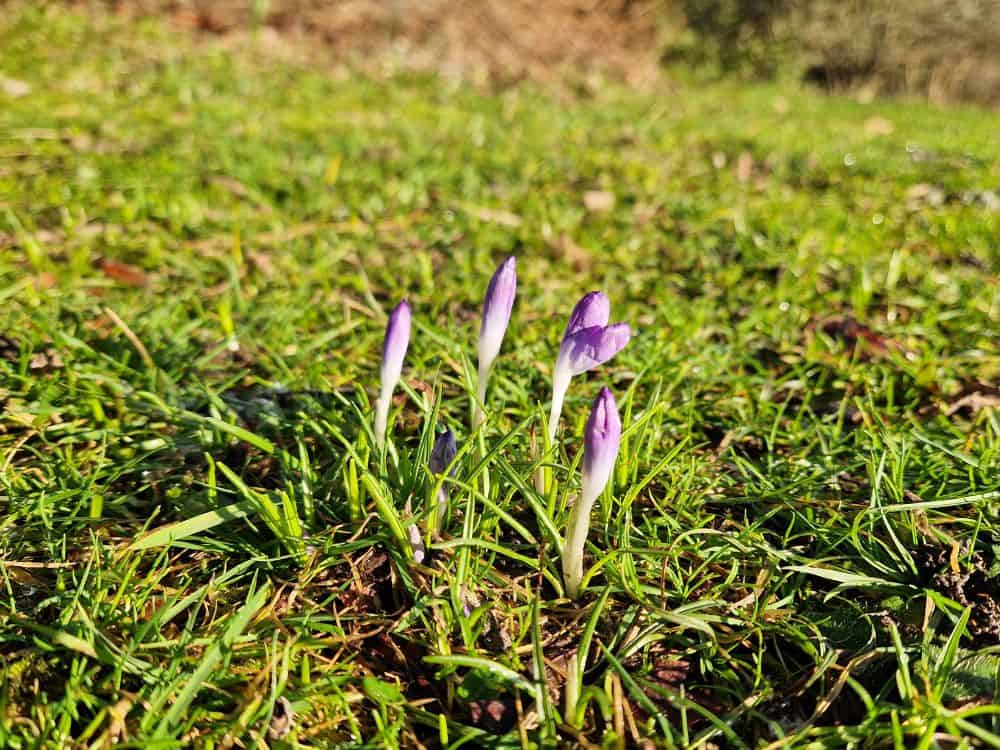
First crocus pushing through the lawn
Support wildlife through winter
January can be challenging for birds and other wildlife. Keep feeders topped up with high-energy food and provide fresh water where possible, checking regularly that it hasn’t frozen. Leaving log piles, seed heads and leaf litter in quiet corners gives insects and small creatures valuable winter shelter.
Tidy tools and growing spaces
This quieter month is ideal for cleaning and sharpening tools, washing pots and organising sheds. Greenhouses benefit from a thorough clean too – diluted white vinegar works well to remove algae and grime, allowing more light in as the days slowly lengthen. These small tasks save time and effort when spring arrives suddenly.
Preservation and conservation at Furzey
This month marks an important shift in focus for us at Furzey. As we look ahead to 2026 and beyond, our attention is turning increasingly toward preservation and conservation, particularly of the many historic shrubs that have shaped the character of the garden for generations. Some of these plants are well over a hundred years old, living witnesses to Furzey’s past, and caring for them now is both a responsibility and a privilege.
Some of our most cherished shrubs will be strategically rejuvenated during the winter months. Where plants are strong enough to respond, we prune carefully and gradually, encouraging fresh, healthy growth while respecting their natural form and age. For others – shrubs that are now too vulnerable to withstand hard pruning – we’re taking a different approach. By using traditional layering techniques, we’re creating future successors directly from the parent plants. In this way, even as time inevitably takes its toll, the legacy of these historic shrubs can continue, rooted firmly in the very garden that nurtured them.
It’s a gentle, patient process, guided by observation and an understanding of how plants behave in nature. For anyone curious about this work, we’re always happy to talk. Visitors are very welcome to ask the gardening team about our layered plants when the garden reopens – we love sharing what we’re doing and explaining how these quiet techniques help protect Furzey’s future.
Winter holds, spring waits
Even in January, there is beauty for those who look closely. The garden’s structure becomes more apparent now, with bare branches revealing their shape and bark taking centre stage. Witch-hazel continues to glow in soft golds and coppers on bright days, while the evergreen framework, yew, holly and the great Cedar of Lebanon, holds the garden steady as much else rests. Look lower, and you may notice the first brave signs of spring: bulbs beginning to push through cold earth, hinting at what’s to come. Beneath the soil, roots are settling and strengthening, unseen but quietly preparing for the light of spring.
There’s no rush in January — just steady, meaningful steps forward. In tending what already exists, and in planning for what comes next, we lay the groundwork for beauty that will endure for generations to come.
Furzey Gardens and tea rooms are now closed for a short winter rest and will reopen on Saturday 14 February. We’re looking forward to an exciting season ahead — and can’t wait to welcome you back as the garden begins to stir once more.
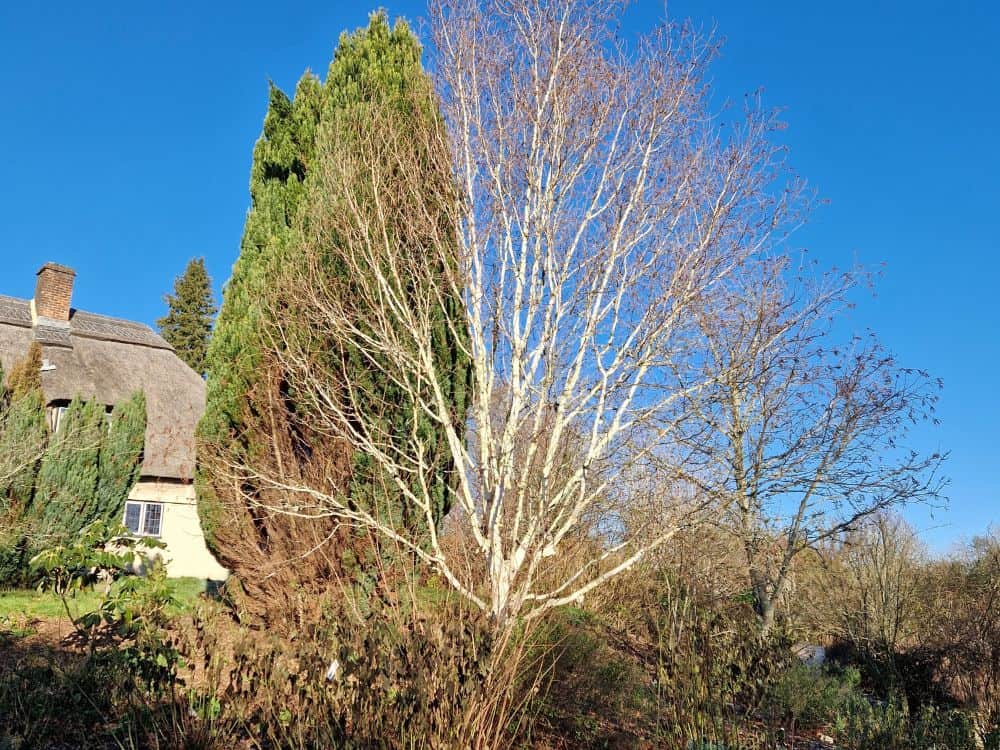
Silver birch adds structure to the large border in front of Furzey House
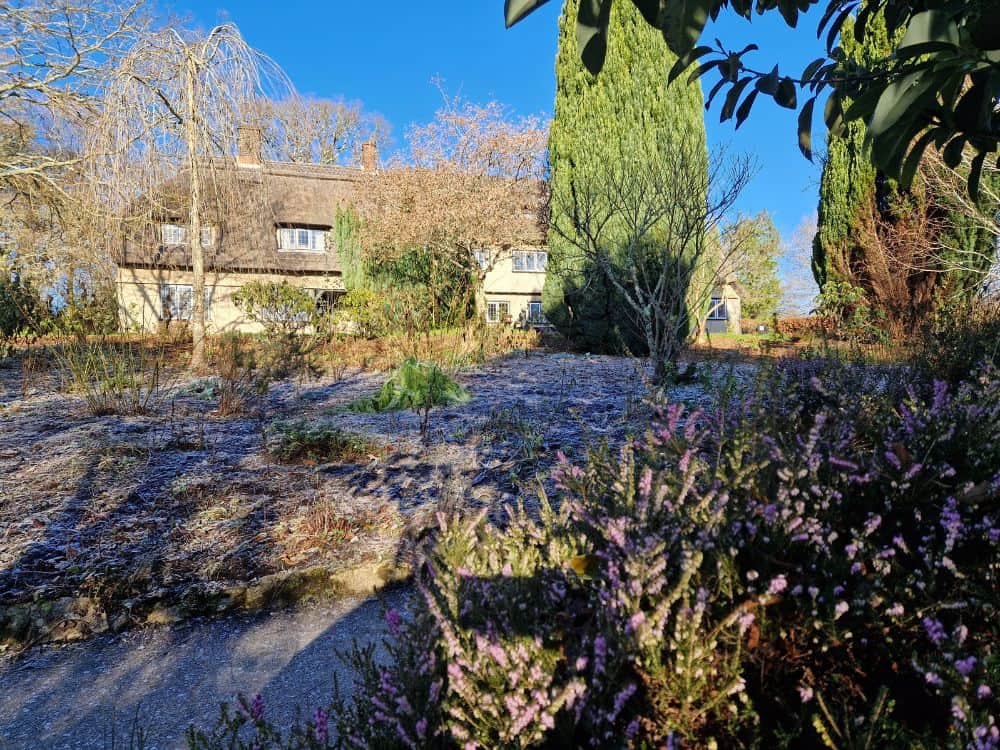
Furzey House with blue skies overhead
This article originally appeared as the monthly In The Garden column in the Lymington Times, buy the paper on the second Friday of every month to read the next column first.