
Bringing colour into your garden
Colour in the garden does not need to feel complicated.
Sometimes it begins with one shrub you fall in love with, a pocket of spring bulbs, or a border that slowly becomes more layered from one month to the next. At Furzey Gardens, colour arrives in exactly that way. Across 12 acres, rare and unusual plants, winding woodland paths and seasonal planting create a garden that changes gently through the year, always offering something new to notice. The gardens are cared for by a team of gardeners with learning disabilities, whose skill and care shape every part of this special place.
If you would like to bring more colour into your own garden this season, the best place to start is not with trying to do everything at once. It is with choosing a few plants and a few simple jobs that will help your garden feel fuller, brighter and more generous as spring turns into summer.
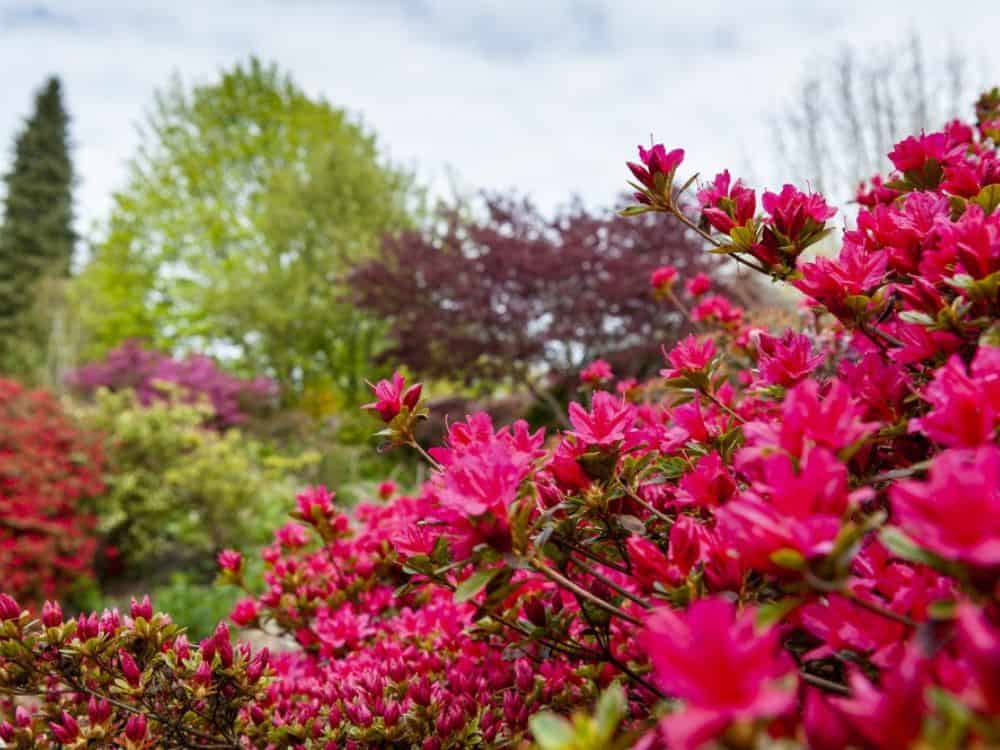
Pink azalea
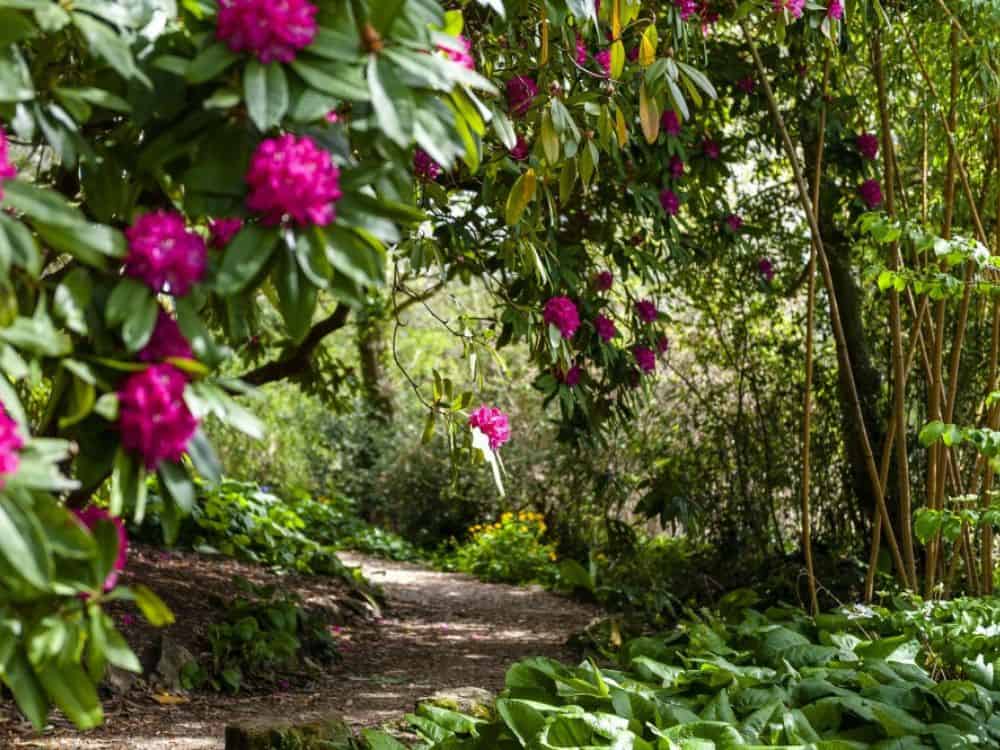
Rhododendron Cynthia
Start with shrubs that do the heavy lifting
One of the easiest ways to add lasting colour is through flowering shrubs. At Furzey, April and May are shaped by the arrival of rhododendrons and azaleas, which build colour and character through the garden as spring deepens. These are the kinds of plants that can transform a space, especially if you want impact that returns each year. Furzey’s current spring highlights also show how much colour can come from layering plants that flower at slightly different moments, so the display keeps moving rather than peaking all at once.
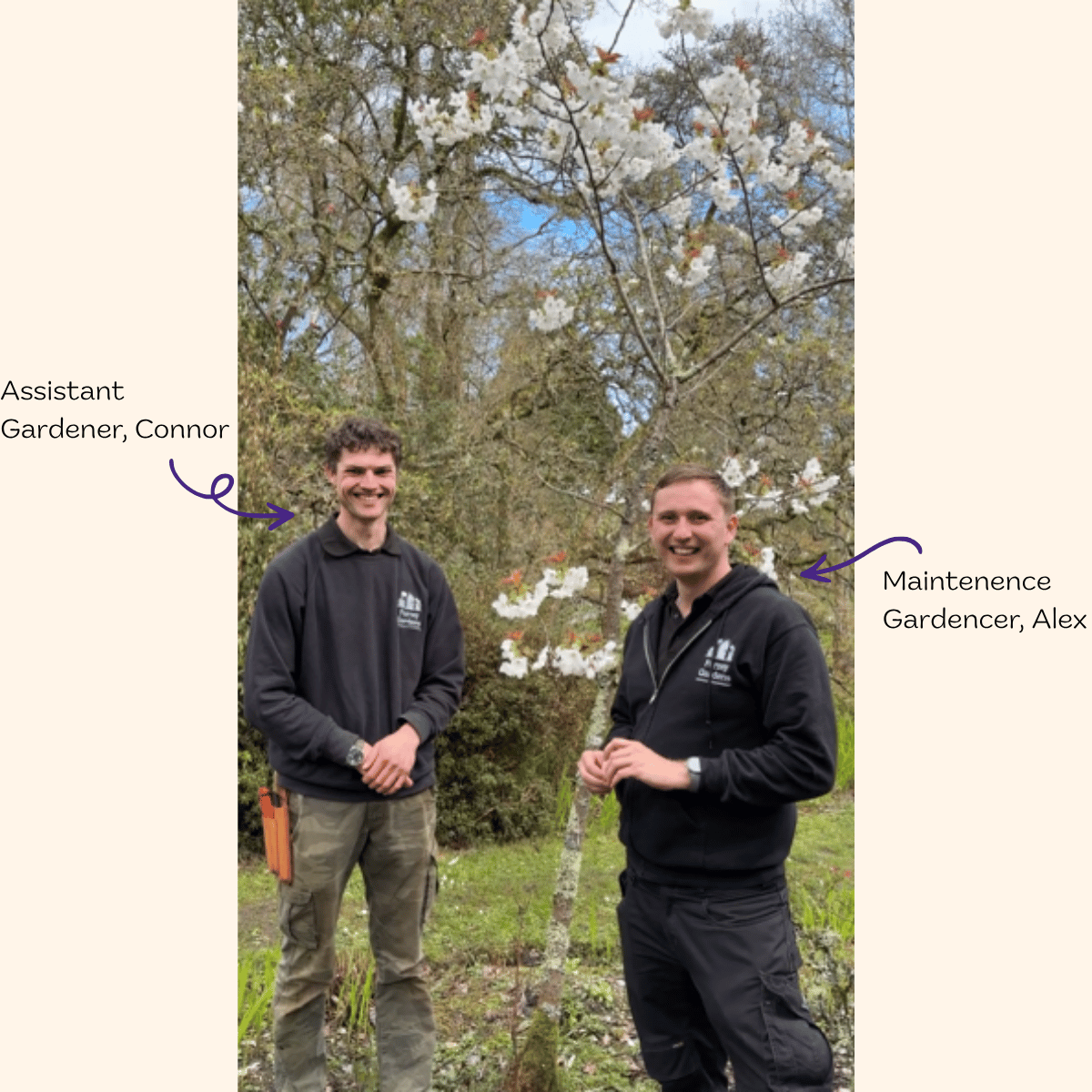
Furzey’s Maintenance Gardener, Alex says: ‘Spring time is probably one of the most exciting times we can have for a gardener. Saying just one thing to be excited about is really difficult but looking at what I’ve got right next to me is one of our cherries. I’m very excited about seeing these. We’ve got a few azaleas in the garden that will look absolutely fantastic over the coming months.’
Assistant Gardener, Connor agrees: ‘Spring is definitely one of my favourite times of the year in the garden. You hear all the birds singing away and the azaleas are one of my favourites, especially when they fully bloom.’
If you have room, a flowering shrub can anchor a border and give you reliable colour with relatively little fuss. If your space is smaller, even one carefully chosen shrub can lift the whole feel of the garden.
Think in layers, not single moments
The richest gardens are rarely built around one brief burst of colour. They move from one highlight to the next.
At Furzey, that shift is part of what makes spring so rewarding. Early signs of the season give way to stronger displays, and then summer starts to build behind them. One of the most useful lessons for home gardeners is to think about what follows next. Spring bulbs can lead into azaleas and rhododendrons, then on into hydrangeas and larger-leaved summer plants. That sense of progression keeps a garden feeling alive. Furzey’s own advice regularly points gardeners towards seasonal succession, from bulbs for early spring colour to hydrangeas for later blooms and perennials that hold interest as the months move on.
Alex says: ‘As we merge into spring and summer, one of the things I’m looking forward to most is our hydrangeas. We have a few varieties of hydrangeas here and we’ve been doing a bit of pruning in early spring to hopefully have a lot more blooms this summer.’
That is a helpful way to plan at home too. Rather than asking what looks good now, ask what will carry the colour on into the next season.
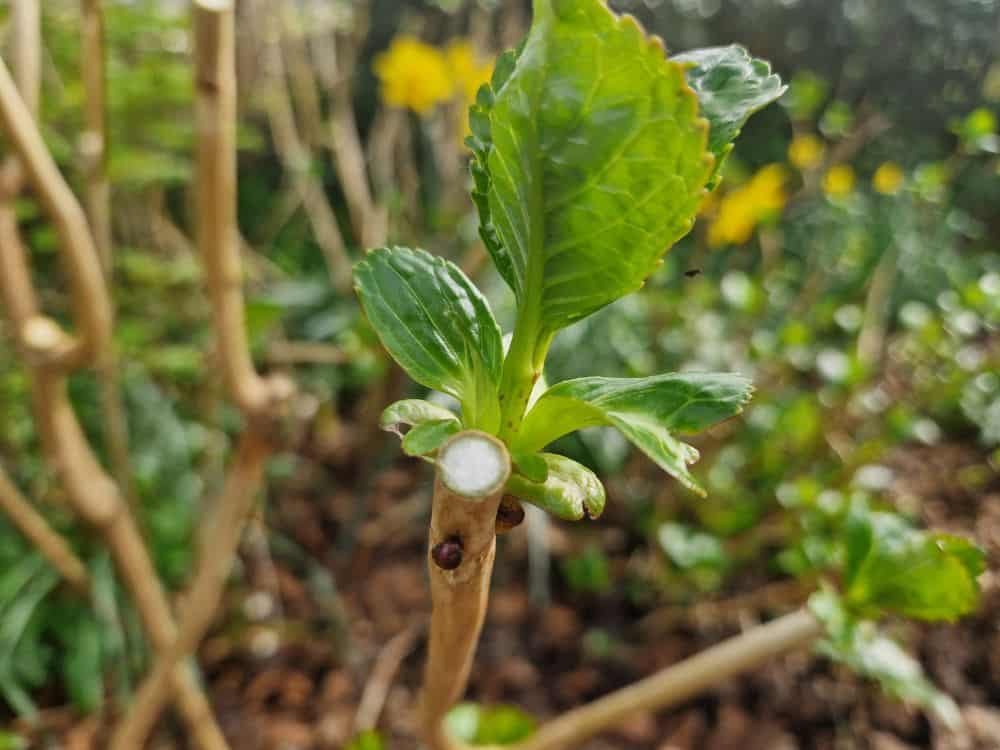
Hydrangea pruning
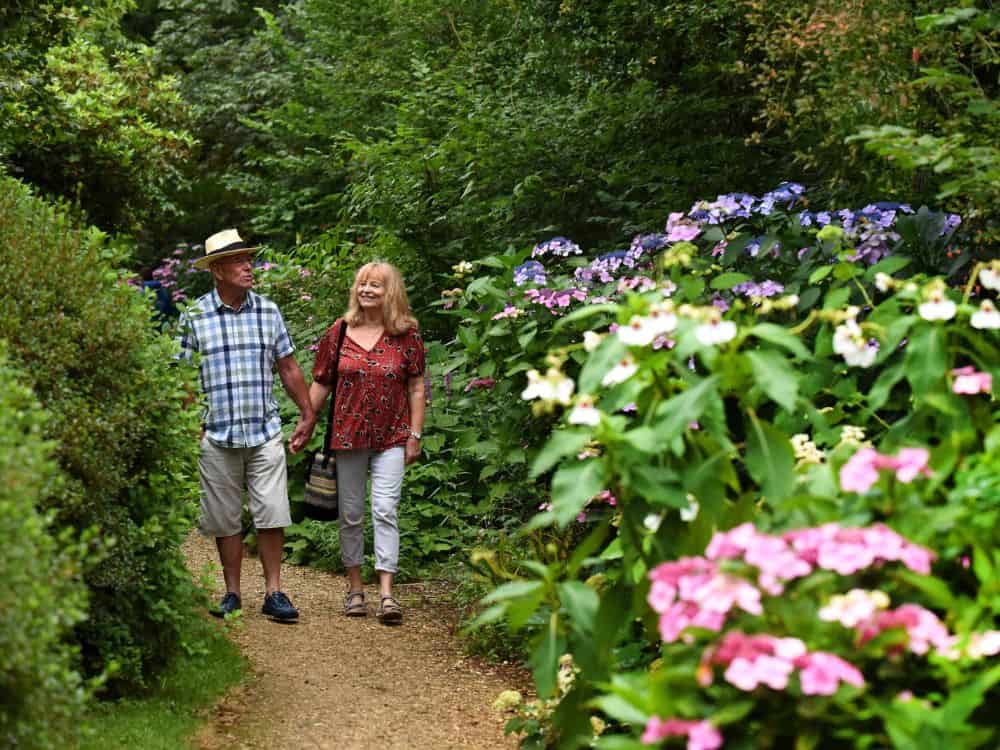
Various hydrangea (blooms in June)
Use foliage and texture as part of the colour story
Colour is not only about flowers. Shape, leaf size and texture all play their part, especially as spring moves towards summer. Connor’s excitement about gunnera says a lot about this. Not every plant needs to flower brightly to make an impact. Bold foliage can make surrounding colours feel even stronger and bring a garden a sense of drama and contrast.
Connor says: ‘For me, I’m really looking forward to seeing the gunnera. Over the winter, the Sparsholt team and myself, we got rid of all the dead leaves and cut it back. So, from now to June time, you get these giant leaves that get up to a few meters tall at least. It feels like being in the jungle.’
At Furzey, the woodland setting helps create that layered feeling, with flowering plants, shrubs and foliage all working together. The same approach works well in smaller gardens too. Mixing finer leaves with broader ones, or softer flowers with bolder foliage, helps colour feel more dynamic and natural. Furzey describes the gardens as a calm and welcoming place to explore, full of rare and unusual plants, and that richness comes as much from planting combinations as from individual flowers.
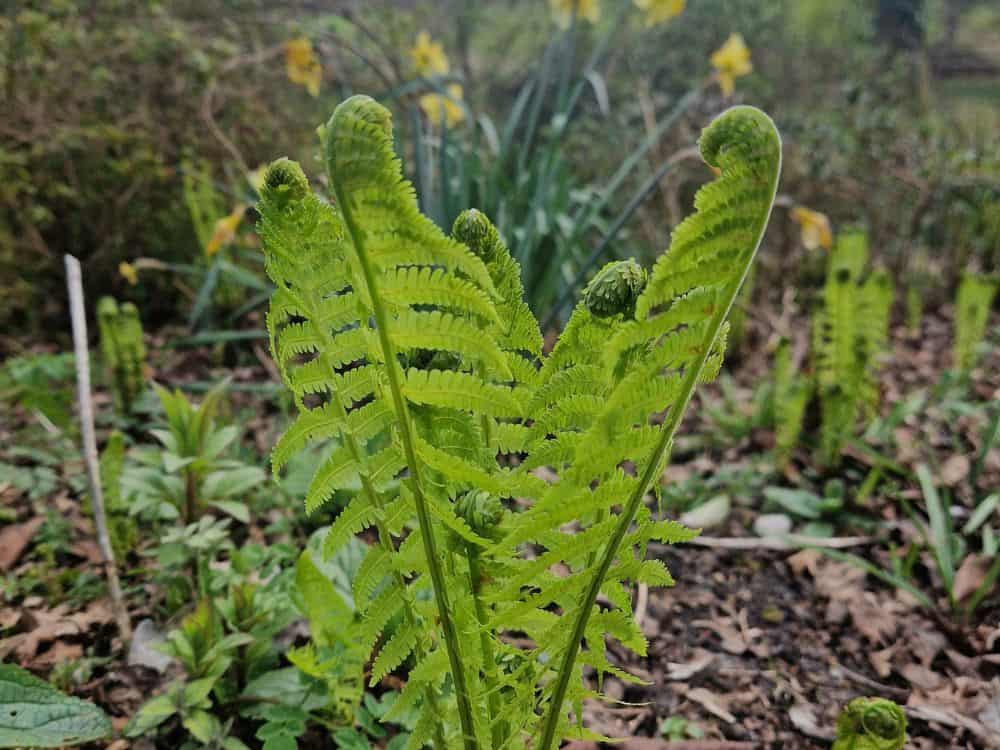
Furns unfurling
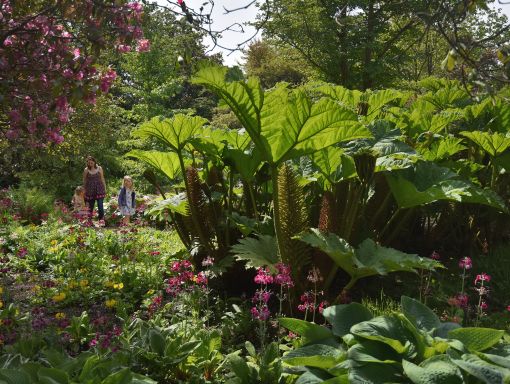
Gunnera and primula
Do the simple jobs that help colour last longer
A colourful garden is not only about what you plant. It is also about helping plants stay healthy as the weather changes.
Mulching is one of the simplest and most effective jobs to do in spring. Furzey’s own gardening advice highlights mulching as a valuable way to protect roots, improve soil structure, suppress weeds and help the soil hold moisture. That becomes even more important as warmer weather approaches.
Alex says: ‘It’s a good time to mulch. We’ve been doing quite a lot of mulching around the garden in certain areas to help hold in any moisture and give a lot of nutrition to trees and plants, ready for the warmer summer months.’
And looking ahead to summer, watering well matters just as much as watering often.
Alex says: ‘Because we’re a woodland garden, there are a lot of trees here and some can hopefully sustain themselves throughout the summer months but others do struggle to stay hydrated. Due to the hot weather last summer, we were constantly watering which is why this year we’ll be putting out water bags on to help keep the water in before it evaporates.’
For home gardeners, that might mean mulching around shrubs and perennials, watering deeply rather than little and often, and paying attention to plants that are still establishing. A little preparation now can make a big difference to how well your garden holds its colour in the months ahead.
Make room for joy
Not every garden decision has to be technical.
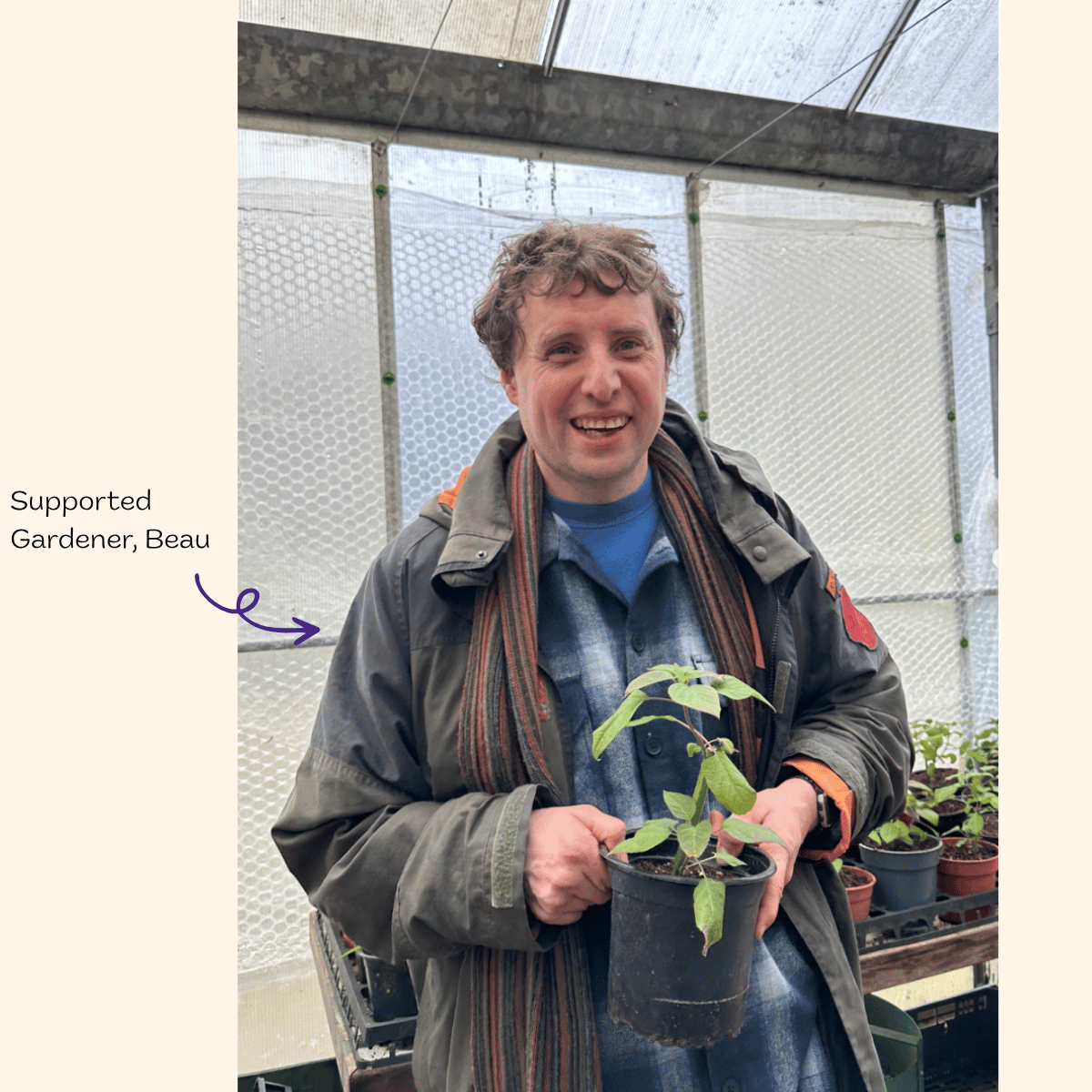
Sometimes colour is simply about choosing plants that make you happy, noticing what catches your eye, and enjoying being part of the process. That comes through beautifully in Beau’s words.
Supported gardener, Beau says: ‘I’ve been potting up all these plants so they have nice compost.’
And when asked about favourite spring colours at Furzey, Beau says: ‘I like the red flowers, I like the yellow flowers, I like all the flowers.’
‘I really like working in the gardens and I like helping with all the plants.’
That sense of enjoyment matters. A good garden is not only well planned. It is also personal. It reflects what you love, what you notice, and what you want to see more of each time you step outside.
A garden that grows with the season
Bringing colour into your garden is really about building confidence.
Start with one or two shrubs that will return each year. Add bulbs or perennials that carry the season forward. Pay attention to foliage and texture, not just flowers. Mulch well, water wisely, and allow the garden to evolve.
At Furzey, the season is never static. The gardens shift week by week, shaped by careful planting and the work of a dedicated team. That same mindset can be taken home. You do not need to create everything in one go. You can build colour gradually, enjoy the changes as they come, and let your garden tell its own story over time.
Furzey’s gardens and nursery are cared for by gardeners with learning disabilities, and every visit by donation helps support both the ongoing care of the gardens and the people who work here each day.