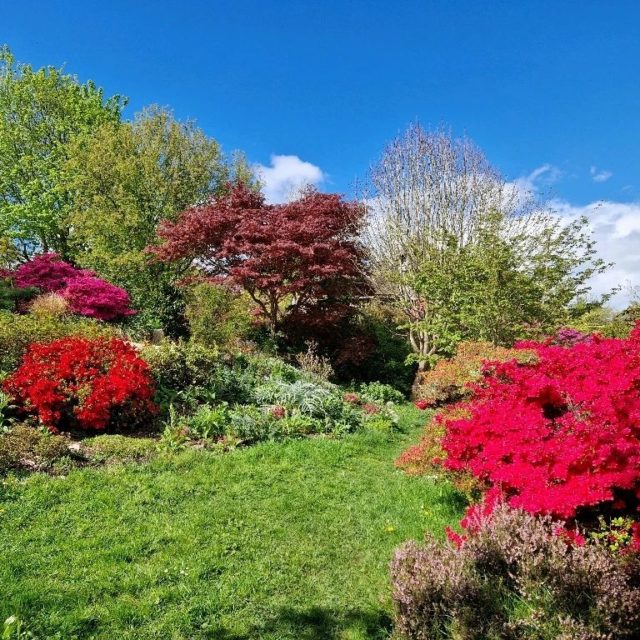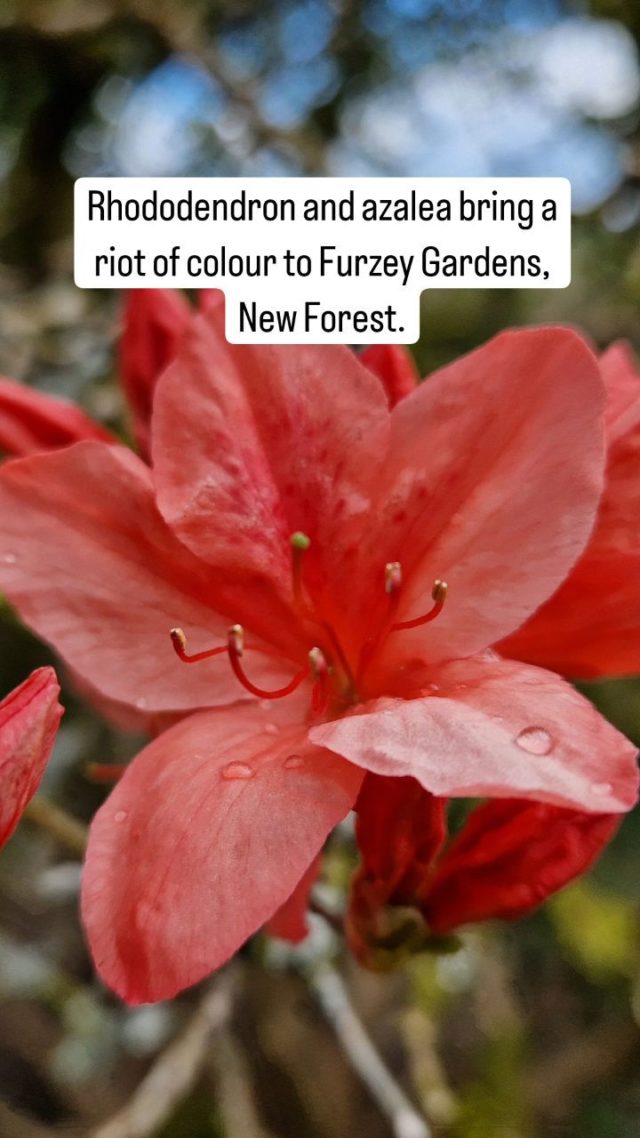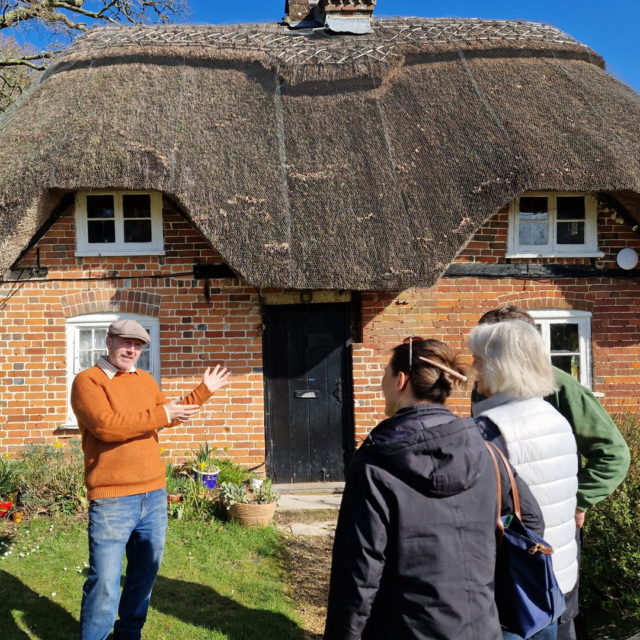
Furzey Gardens is a secret woodland garden nestled in the New Forest National Park.
With a cosy thatched tea room, rare and unusual plants and over 40 fairy doors there is something for everyone in this special place.
Every time you visit you are helping us to provide support and work experience for people with learning disabilities.
Book tickets


Things to do at Furzey Gardens
Whatever your age, there's something for everyone to enjoy at Furzey

Plan your visit
All the information you need for your visit to Furzey Gardens
Tea rooms
Charming thatched tea rooms for a light lunch or afternoon tea
Events
Browse this year's events in the gardens
Fun for families
Fairy doors, play area and seasonal trails
Plant sales
Quality, affordable plants raised by people with learning disabilities
Weddings
Let love bloom at Furzey Gardens



A great little garden. We loved that it was for a good cause so although our visit wasn't long we were happy to pay £8.50 each for entry. There's a map of the garden which I'd encourage everyone to follow.We saw alpacas in the field and a play area for children. The fairy house's make a great addition for small ones.The cafe staff were helpful and very friendly.We had scones which unfortunately crumbled when trying to spread the butter. Our error we should have chosen a slice of the fabulous cakes on display instead.I adored the thatched cottage and garden so pretty.The beautiful leaves that were made for the Chelsea flower show were stunning. I would have brought several had there been some to purchase.

This was an impromptu visit with my parents.We have never been to Furzey Gardens before but will definitely be returning. The Gardens are beautiful, the variety of colours was amazing. My hobby is bonsai so to see all the beautiful trees in colour was great. If you are looking for something to do in the New Forest I highly recommend a visit there is great involvement for the kids as well with play areas and hunt for fairy doors. Plenty of space and provision to have a picnic.The team at Furzey should be very proud 🙂

Great place to go with young kids who might love to find all the fairy houses and things. At least 45 to find with multiple doors on some. Lovely beautiful flowers in the huge garden that is like a maze in parts. Great wooden climbing and play area, and wooden tree house and fairy huts to go in. Nice cafe too. Can spend 3 or 4 hours exploring every path and looking for every possible fairly house. New field at the bottom opening soon too so will definitely go back to explore again soon.

This place is lovely.. At moment its so colourful with all beautiful flowers blooming. I enjoyed walking around, listening to the sound of the birds. There's a nice little coffee shop. The gardens are well maintained. Highly recommended.

Lovely garden to visit at any time of the year, unique buildings are visible as you walk around the gardens. Great fun for kids as there small fairy houses to search for. A tearoom is also available but are closed during the winter periodA great day out for the whole family, highly recommend

Instagram feed